Blog
Winter in Madikwe: What to Expect on Safari
by Kelly Rabie - Reservations Manager - 28 May 2026
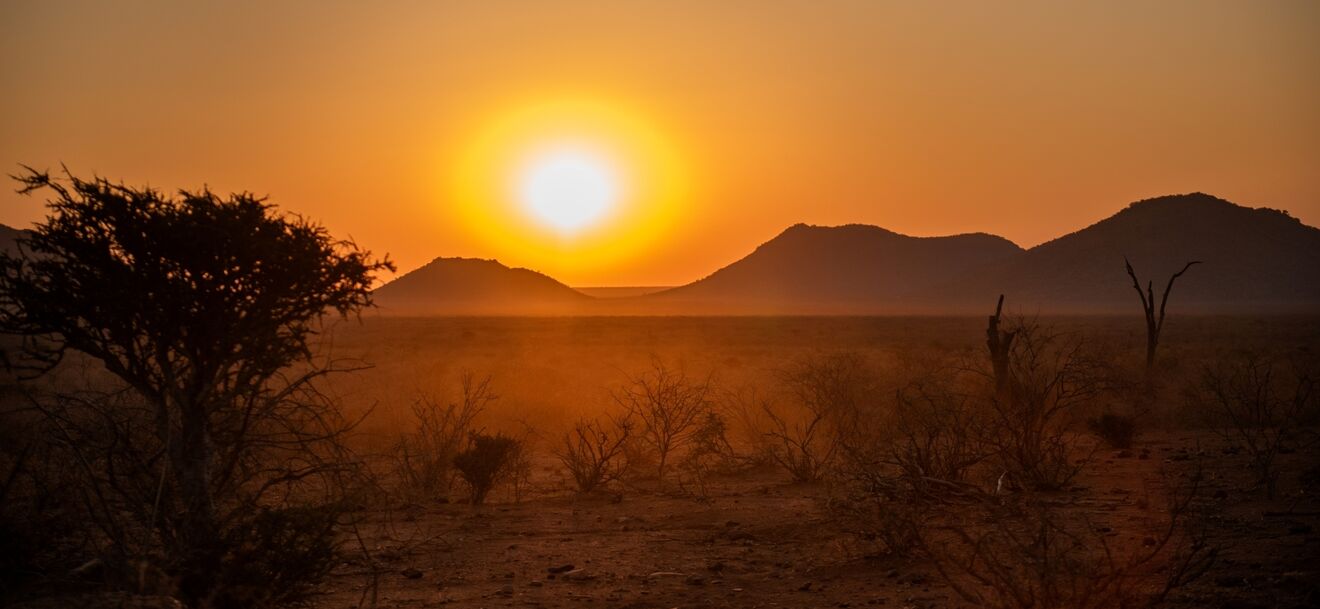
Winter in Madikwe has arrived - bringing crisp mornings, clear skies, golden light, exceptional wildlife viewing, and some of the most rewarding safari conditions of the year.
If you’ve ever wondered whether winter is a good time to visit, whether it gets cold, or what to pack, the short answer is: winter is one of Madikwe’s best-kept secrets.
At Mosetlha Bush Camp, this season brings a quieter rhythm to camp - warm fires, slower evenings, dramatic skies, and unforgettable game viewing.
Why Winter is One of the Best Times for a Safari in Madikwe
From May through September, Madikwe enters its dry winter season.
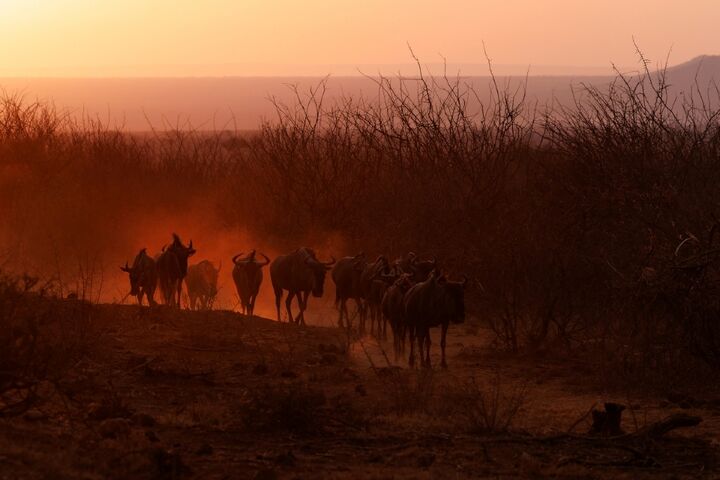
The lush summer vegetation begins to thin, opening up the landscape and making wildlife easier to spot. As water becomes scarcer, animals often spend more time around watering holes and visible areas, creating longer and more rewarding sightings.
There is also something about winter that naturally slows people down. The bush feels quieter, more still. Days become less about rushing and more about simply being present - listening, observing, and sitting by the fire a little longer.
For photographers, the combination of golden light, dry air and dust creates particularly striking conditions.
How Cold is Madikwe in Winter?
Many guests ask us what winter temperatures in Madikwe are really like - and the answer is: crisp and cool in the mornings and evenings, but pleasantly warm during the day.
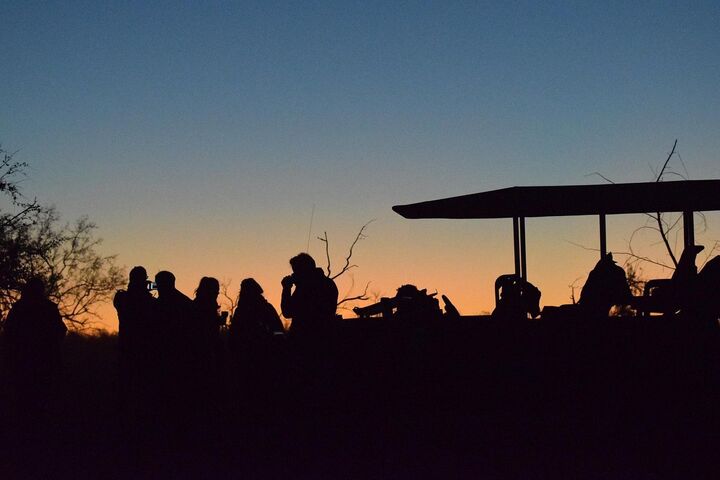
Winter mornings and evenings can certainly feel cold, particularly on open safari vehicles before sunrise. Temperatures sometimes dip to between 2 - 8°C in the early hours.
But daytime temperatures are generally warm and pleasant, often sitting between 18 - 25°C beneath clear blue skies.
Once the sun is up, it is usually beautifully comfortable safari weather.
The key is layers.
A warm jacket, beanie, scarf and gloves make all the difference for early morning drives, while t-shirts and lighter clothing are often perfect once the day warms up.
What Are Game Drives Like During Winter in Madikwe?
As daylight hours shift, so does the rhythm of safari.
Morning drives begin a little later with the sun rising later, while afternoon drives head out slightly earlier as evenings arrive sooner. Wildlife remains highly active during these cooler periods, often making game drives especially rewarding.
The bush itself also changes.
With less foliage, movement becomes easier to spot, visibility improves, and sightings can feel more immersive and uninterrupted. Predators are often easier to follow, and longer sightings around water sources become more common.
Winter is one of the most rewarding safari seasons in Madikwe for exactly this reason.
Staying Warm on a Winter Safari at Mosetlha Bush Camp
Being off-grid does not mean sacrificing comfort.
Winter is when Mosetlha’s simplicity really comes into its own.
Hot water bottles are provided in the evenings, extra blankets are added to beds alongside winter-weight duvets, and cosy windproof blankets are used on game drives.
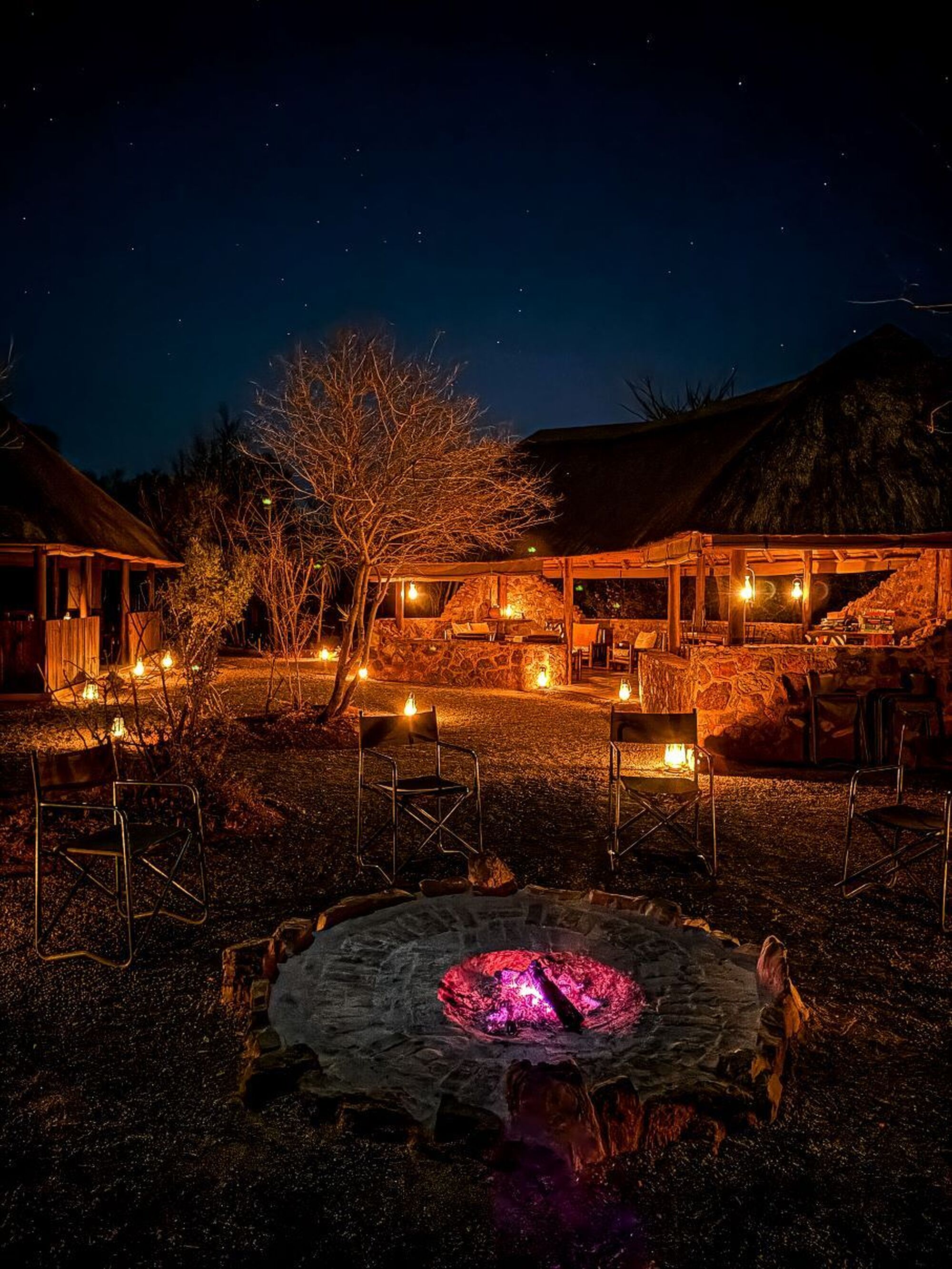
Back at camp, the fire naturally becomes the heart of the evening. Guests gather beneath star-filled skies with warm drinks in hand, sharing stories from the day’s sightings while the bush settles around them.
Gas heaters in our dining and lapa areas help take the edge off cooler evenings while still preserving the open-air atmosphere that makes camp feel connected to nature.
For many guests, this slower, simpler rhythm becomes one of the things they remember most:
“We were worried about the cold, but had lovely sunny warm days and just wrapped up warmly for drives.”
“Hot water bottles, blankets and warm drinks made winter surprisingly cosy.”
Winter Food and Fireside Evenings in Madikwe
Food changes with the season too.
Winter meals lean into warmth and comfort - cooked breakfasts after crisp morning drives, hearty soups and fresh baking at lunch, and evenings built around warming favourites shared beneath the stars.
Slow-cooked potjies, traditional braais and comforting home-style meals feel perfectly matched to cool evenings in the bush.
There is something deeply satisfying about returning from safari to warmth, conversation, and the glow of the fire.
Wildlife Viewing and Birding During Winter in Madikwe
Winter game viewing is often more consistent because the bush opens up.
Animals become easier to spot through thinner vegetation, and movement is easier to follow. Sightings often feel longer and calmer, particularly around water.
Birding shifts too.
Many summer migrants depart, making the bush feel quieter in some ways, but often more focused. Resident birds remain abundant, while raptors can be easier to spot against wide, clear winter skies.
For birders, it becomes a season of quality over quantity.
What to Pack for a Winter Safari in Madikwe
Packing for winter is easier than most people expect.
We recommend:
- T-shirts and lighter clothing for warm daytime temperatures
- A warm jacket or fleece for morning and evening drives
- A beanie, scarf and gloves for colder mornings
- Comfortable closed shoes
- Sunglasses and sunscreen (the winter sun is still strong)
- Layers you can easily remove as temperatures warm up
Think crisp mornings, sunny afternoons, and cosy evenings around the fire.
Why Guests Love Winter Safaris in Madikwe
Winter quietly becomes one of the most memorable times to experience Madikwe.
The wildlife viewing is exceptional, the light is extraordinary, and camp settles into a slower, calmer rhythm that encourages people to reconnect - with nature, with one another, and often with themselves.
If you love golden mornings, fireside evenings, exceptional safari sightings, and clear starlit skies, winter in Madikwe may just become your favourite season.
Planning a winter safari in Madikwe?
We’d love to help you plan your stay - GET IN TOUCH with your preferred dates and number of guests, and we will confirm availability.